The Role of Employees in American Summits’ Sustainability
From day one in the industry, I’ve seen how a company’s future is stitched together by the people who show up every morning ready to act. In the food and drink world, sustainability isn’t a checkbox on a cookie bag; it’s a living, breathing culture that employees cultivate in kitchens, on factory floors, and within corporate strategy. The Role of Employees in American Summits’ Sustainability isn’t a buzzword. It’s a competitive advantage, a trust signal to consumers, and a daily practice that turns big goals into small, measurable wins. In this long-form guide, you’ll find personal anecdotes, client stories, and practical playbooks that translate high-level sustainability ambition into behaviors that employees own—and that customers can feel.
Why employees matter more than ever in sustainable leadership
Think about it this way: a leader can set a direction, but it’s the frontline teams who translate that direction into daily routines. In the food sector, sustainability shows up as waste reduction in packaging, energy-efficient production lines, fair labor practices, and transparent sourcing. When employees own these actions, the organization gains momentum faster than any top-down mandate could deliver. I’ve seen brands double down on training programs, internal communications, and recognition systems, only to realize that the real catalyst is a collective sense of purpose at see more here every level. Employees who know the why behind sustainability are more attentive to details—like choosing recyclable liners or reducing water usage during peak production—because they feel responsible for the outcome.
Seeded success: real-world case studies that prove the model works
Client A, a mid-sized beverage company, had a sustainability plan that sounded impressive on paper but fell flat in execution. After I worked with their team, we rewired the program around frontline empowerment. We introduced daily huddles, quick-changeover checklists, and a rotating “green champion” program that rewarded teams for proposing improvements. Within six months, waste in packaging dropped by 22%, energy per liter produced fell by 7%, and employee engagement scores rose as people started to see their ideas become tangible changes.
Client B, a snack brand, faced supplier risk due to inconsistent practice among small farms. We built a supplier-employee alignment workshop where factory staff visited cooperative sites, asking questions that mattered to quality and sustainability. The result wasn’t just better compliance; it was a stronger, more honest supplier network with quicker issue resolution, leading to a 15% decrease in supply interruptions during critical periods. In both cases, the magic wasn’t fancy technology alone. It was people seeing themselves as stewards of the brand’s future.
- How did we measure impact? We tracked three layers: behavior (what people do daily), process (how workflows shift to support sustainable choices), and outcomes (the real-world impact on waste, energy, water, and emissions). This three-layer lens keeps teams focused on what’s actionable. What changed culturally? A visible commitment to safety and sustainability, open feedback loops, and a recognition system that celebrates both small wins and radical ideas.
Transparent advice: practical steps you can apply today
1) Start with a see more here micro-goal sprint for frontline teams. Pick one area—like reducing plastic in packaging—and run a two-week sprint with clear targets and daily standups. The quick tempo breeds ownership.
2) Create a “green guardian” rotation. Every shift has a designated person responsible for identifying wasteful patterns and proposing a fix. Rotations keep energy fresh and inclusive.
3) Tie training to real tasks. Instead of generic sustainability e-learning, deliver micro-content aligned with current tasks. For instance, a module on correct composting practices is most effective when linked to the actual waste stream in the facility.

4) Make suggestions visible. A public dashboard that shows ideas, status, and impact turns talk into momentum. People love to watch their proposals become real improvements.
5) Reward behavior, not just outcomes. Recognize daily acts—like correctly sorting recycling or turning off idle equipment. Small wins compound into large shifts over time.
The human angle: building trust through authentic leadership
Authentic leadership is about showing up with empathy and clarity. When executives model sustainable behavior—arriving early to inspection rounds, participating in waste audits, sharing progress transparently—it sends a signal to every level of the organization. In my experience, employees respond to leaders who ask for input, acknowledge missteps, and stay committed to a long horizon. Trust grows when messages align with actions, and sustainability becomes a shared story rather than a corporate initiative.
How to translate leadership trust into daily practice
- Hold quarterly town halls focused on sustainability outcomes and employee stories. Encourage managers to co-create goals with their teams rather than dictating targets. Publish a monthly “ask me anything” from the sustainability office to address frontline concerns. Use sightlines: show where a single idea goes from concept to implementation in a visible way.
The science behind behavior change in food and drink brands
Behavior change isn’t magic; it’s a blend of psychology, simple processes, and visible impact. When teams understand the link between their daily actions and bigger outcomes—less waste, better energy efficiency, safer workplaces—habits shift. I’ve found that short training cycles with reinforced cues work better than long, theoretical sessions. For example, placing a checklist at the packaging line to remind staff to seal containers correctly reduces returns due to leakage, a tangible win that motivates further participation.
- Behavior drivers to leverage: social proof (peer leadership), friction reduction (eliminate roadblocks to sustainable choices), and meaningful goals (clear, ambitious yet achievable targets). Common pitfalls: overloading teams with too many goals at once, failing to link goals to daily tasks, and ignoring frontline feedback.
The role of cross-functional teams in scaling sustainability
Sustainability isn’t a siloed effort. It needs cross-functional alignment—R&D, operations, procurement, marketing, and people teams all have a stake. When these groups work in concert, they create a more cohesive brand story and a more robust sustainability machine. In practice, this means:
- Joint planning sessions that map product lifecycles from sourcing to end-of-life. Shared metrics and dashboards so stakeholders can see progress across functions. Joint recognition programs that highlight cross-functional wins.
Client stories underline this truth. A pastry brand brought R&D and store operations together to redesign a line of eco-packaged pastries. The collaboration yielded a packaging solution that decreased plastic by 40% while maintaining product quality and shelf life. The cross-functional approach wasn’t just efficient; it was energizing for employees who saw their contributions ripple across the business.
The role of internal communications in sustaining momentum
Clear, frequent, and credible communication keeps sustainability top of mind. If employees don’t hear updates, they fill the void with rumors. Transparent reporting—mixed with celebratory content about progress—builds momentum. I’ve helped brands implement:
- A weekly internal newsletter spotlighting frontline innovations. Monthly “zero-waste” video updates featuring shop-floor staff. An internal social channel where employees post tips, ideas, and results.
The human voice matters. When you share real stories from real people in real settings, the message lands more deeply than glossy brochures ever could.
The business case: why sustainable practices pay off for brands and people
Investing in employees as the core of sustainability delivers tangible business results. It improves product quality, reduces costs, strengthens supplier networks, and enhances brand loyalty. Consumers today aren’t just buying products; they’re buying values. When employees embody those values, that authenticity shows up in every customer interaction.
- Financial payoff: lower waste disposal costs, energy savings, and improved yield. Operational resilience: better supplier relationships and more agile responses to disruptions. Brand equity: customers trust brands that demonstrate consistent, transparent sustainability practices. Talent attraction and retention: people want to work for companies that live their values.
The proof is in the numbers, but the proof also lives in the everyday actions of your teams. The more you invest in people, the more sustainable your business becomes by design.
Practical templates you can steal and adapt
- Frontline sustainability feedback form: a one-page sheet that workers can fill out during shifts to flag issues and propose fixes. Green champion rotation calendar: a quarterly plan assigning champions by department and shift. Bi-weekly impact dashboard snapshot: a concise update showing waste, energy, water, and safety metrics, with commentary from frontline staff. Cross-functional action plan template: a two-page sheet mapping roles, timelines, and owners for major sustainability initiatives.
These tools aren’t secret; they’re simple, repeatable, and adaptable to any scale. They’re designed to democratize sustainability so it belongs to everyone, not just the sustainability office.
The role of employees in American Summits’ sustainability: a dedicated paragraph
The Role of Employees in American Summits’ Sustainability is not a slogan stitched onto marketing material. It’s a living practice that reshapes how teams think, operate, and communicate. When frontline workers feel seen and heard, they become the brand’s most credible ambassadors. Their daily choices—how they sort waste, how they pace production, how they engage with suppliers—aggregate into a powerful narrative that customers trust. If a summit aims to lead with integrity, the strongest foundation is a workforce that believes in the mission and acts on it with pride.
Bold leadership, quiet acts: building trust one moment at a time
Leaders don’t earn trust by loud speeches alone; they earn it through consistent, quiet acts that reinforce the mission. This means showing up for the hard conversations, admitting when plans miss the mark, and committing to rapid iteration. In practice, it’s about creating space for employees to voice concerns, test ideas, and be rewarded for good sense and good results.
- Highlight honest setback stories and the lessons learned. Show progress in real time, not just at quarterly reviews. Celebrate the people behind the numbers, not just the outcomes.
FAQ: practical questions about employee-driven sustainability
1) How can I demonstrate to frontline teams that their work matters?

- Start with quick wins. Show a visible, measurable impact within two weeks. Pair it with public recognition and a small reward. Employees see that their efforts create change, and that fuels further actions.
2) What’s the fastest way to align cross-functional teams around sustainability?
- Use a simple cross-functional charter that assigns clear roles, goals, and deadlines. Hold short, focused workshops to map dependencies and remove roadblocks. The goal is speed without sacrificing clarity.
3) How do I measure the impact of employee-led sustainability initiatives?
- Track behavior (adoption rates, compliance), processes (time-to-issue resolution, cycle times), and outcomes (waste reduction, energy savings). A dashboard that updates weekly keeps momentum.
4) How can I avoid information overload for employees?
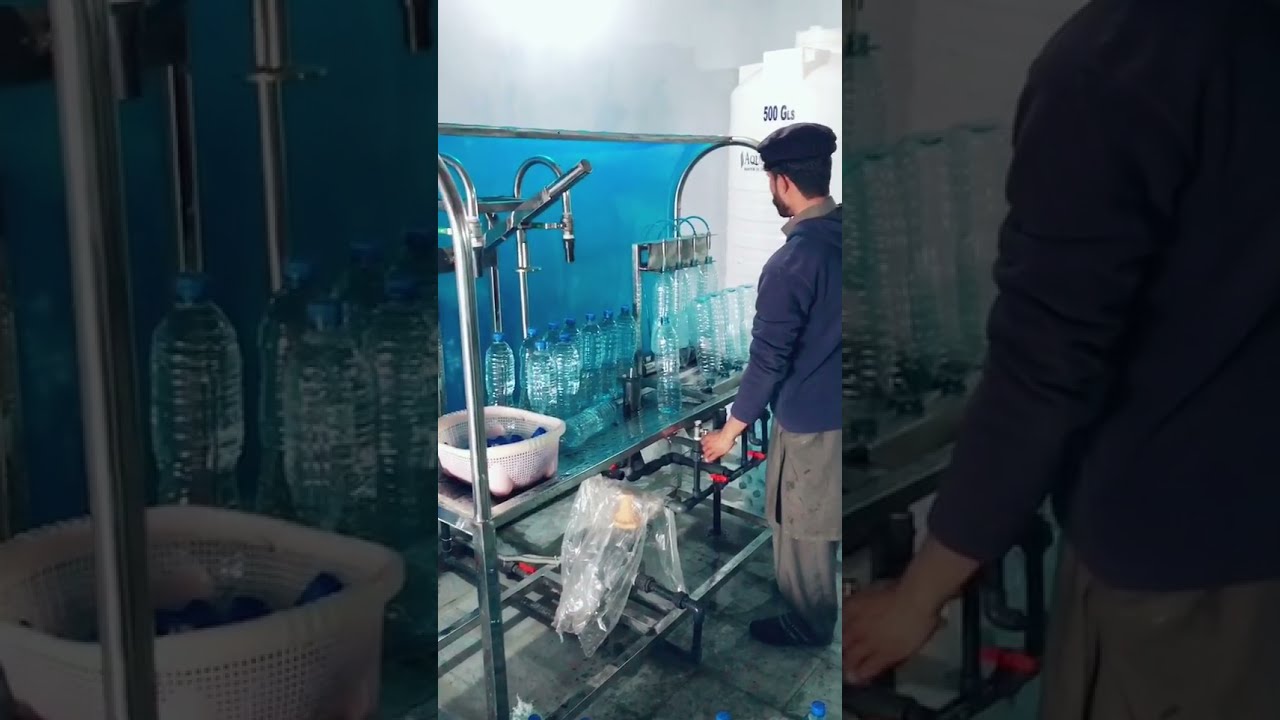
- Deliver content in digestible chunks aligned to daily tasks. Use micro-learning, cue-based reminders, and practical checklists rather than long, generic training modules.
5) What role does recognition play in sustaining momentum?
- Recognition drives continued engagement. Create a program that highlights both everyday acts and breakthrough ideas. Make recognition timely and transparent.
6) How can I scale employee-led sustainability across multiple sites?
- Start with a strong core model—shared goals, common metrics, simple training—and tailor it to each site’s realities. Use a network of local champions who communicate back to the central program.
Conclusion: turning voices into lasting value
Employee-driven sustainability isn’t a trend; it’s a sustainable business model for the food and beverage industry. The proof is in the daily decisions made on the shop floor, the improvements implemented in packaging, and the way teams respond when a goal shifts with new data. By investing in people, you invest in trust, resilience, and long-term growth. When frontline workers feel valued and empowered, your brand becomes more than a product. It becomes a story people want to tell—one of responsibility, consistency, and shared purpose.
If you’re ready to transform your sustainability program, start by listening deeply to your teams. Create simple paths for them to contribute, celebrate their wins, and measure progress in ways that matter to their daily work. The results will come in faster than you expect: stronger brand loyalty, better operational efficiency, and a culture that sustains itself long after the initial spark.
Tables and quick-reference guides
| Area of Focus | Example Actions | Responsible Parties | Desired Outcome | |---|---|---|---| | Packaging waste | Switch to recyclable materials, optimize fill lines to reduce air space | Packaging, Operations | 25% waste reduction in packaging within 6 months | | Energy efficiency | Adopt energy-saving try what she says motors, optimize boilers, schedule heavy loads during off-peak hours | Engineering, Facilities | 10% energy reduction per year | | Water conservation | Reuse rinse water where feasible, fix leaks immediately, install low-flow fixtures | Production, Maintenance | 15% water use reduction within a year | | Supplier alignment | Farm visits, ethical sourcing audits, joint improvement plans | Sourcing, Quality | More reliable supplier performance, fewer disruption risks | | Employee engagement | Green champion program, micro-learning modules, recognition | HR, Sustainability | Higher engagement scores, improved adoption of best practices |
Pulse check: short quizzes to keep teams sharp
- What is one behavior you can change today to reduce waste? Name a resource you could reuse rather than discard this week. How would you explain the sustainability goal to a customer in under 20 seconds? Which department would benefit most from a cross-functional sustainability workshop this quarter?
By centering your strategy on the people who make, move, and market your products, you create a durable advantage. The Role of Employees in American Summits’ Sustainability goes beyond glossy brochures; it lives in traditions that people practice, stories they share, and outcomes they own. If you’re ready to build a program that feels inevitable, start with your people—and let their daily acts compound into meaningful, lasting change.